

Hiring an Odoo developer can involve very different levels of work, from modifying an existing module to building custom functionality or integrating external applications. Without a clear understanding of the requirement, it is difficult to assess the development effort or plan a realistic budget.
For businesses using Odoo, the key question is not simply how much a developer charges. It is what needs to be developed, which technical expertise is required, and whether the proposed work is necessary to achieve the business objective.
Development estimates depend on factors such as project scope, existing customisations, integration complexity, testing requirements, and ongoing support. A suitable approach should address these requirements without introducing unnecessary development work.
This guide explains what influences Odoo developer costs, how different engagement models work, and how businesses can prepare for a more informed development estimate.
What Determines the Cost of Hiring an Odoo Developer?
The cost of hiring an Odoo developer depends on the required functionality, the condition of your existing system, and the technical work needed to deliver a reliable solution.
A minor report modification may require limited changes, while a new approval workflow could involve business logic, access permissions, notifications, and testing. Understanding these differences helps businesses assess development requirements before requesting an estimate.
Project Scope and Functional Requirements
A clearly defined requirement is easier to estimate than a general request to improve a business process.
For example, modifying an existing report differs from developing an approval workflow involving multiple departments, validation rules, and notifications.
Before requesting an estimate, identify the business problem, required functionality, users involved, and expected outcome.
Existing Odoo Customisations
Your existing Odoo environment can influence how much work is required.
Custom modules, modified workflows, third-party applications, and undocumented dependencies may need to be reviewed before changes can be made. Poorly documented code or unexpected dependencies can increase investigation, testing, and maintenance effort.
Providing information about your current Odoo setup helps the developer assess the work more accurately.
Integration Requirements
Connecting Odoo to another application may require API configuration, authentication, data mapping, synchronisation rules, and error handling.
The development effort depends on the external application’s capabilities, the data being exchanged, and how the systems must respond when an operation fails.
Identifying integration requirements early helps prevent important technical dependencies from being overlooked during estimation.
Developer Expertise
The required expertise depends on the complexity of the work.
Routine modifications may need different skills from complex integrations, performance investigations, or architectural changes. Selecting a developer whose experience matches the requirement can help reduce avoidable errors and rework.
When comparing proposals, consider the proposed technical approach and relevant experience alongside the quoted rate.
Testing and Maintenance
The work may extend beyond writing and deploying code.
Depending on the project, it can include functional testing, permission checks, user acceptance testing, documentation, and ongoing maintenance.
Clarify which activities are included in the estimate and which may require additional work. This gives your business a more complete understanding of the development commitment.
How Does the Type of Odoo Development Affect the Estimate?
The type of development required affects the work involved in an Odoo project. A minor modification, a new module, and a version migration have different technical requirements and should be assessed separately.
| Development requirement | What the work may involve | What affects the effort |
| Existing module modification | Changing fields, views, reports, or workflows | Dependencies and the extent of the changes |
| Custom module development | Adding business logic, models, validations, or new functionality | Functional complexity and testing requirements |
| Third-party integration | Connecting Odoo with external applications or services | API capabilities, data mapping, security, and error handling |
| Existing system maintenance | Investigating bugs, resolving issues, and correcting custom code | Code quality, documentation, and reproducibility of the problem |
| Performance optimisation | Investigating slow operations or inefficient queries | System architecture, data volume, and the underlying cause |
| Version migration | Adapting custom functionality to a different Odoo version | Compatibility, dependency changes, data migration, and regression testing |
These categories are not fixed pricing bands. A project may involve several types of work, each contributing to the overall development effort.
For example, a custom module may also require an external integration and changes to access permissions. Identifying these requirements before development helps establish a clearer scope.
Business takeaway: Request an estimate based on defined deliverables and technical requirements rather than the project name alone.
Which Odoo Developer Hiring Model Suits Your Business?
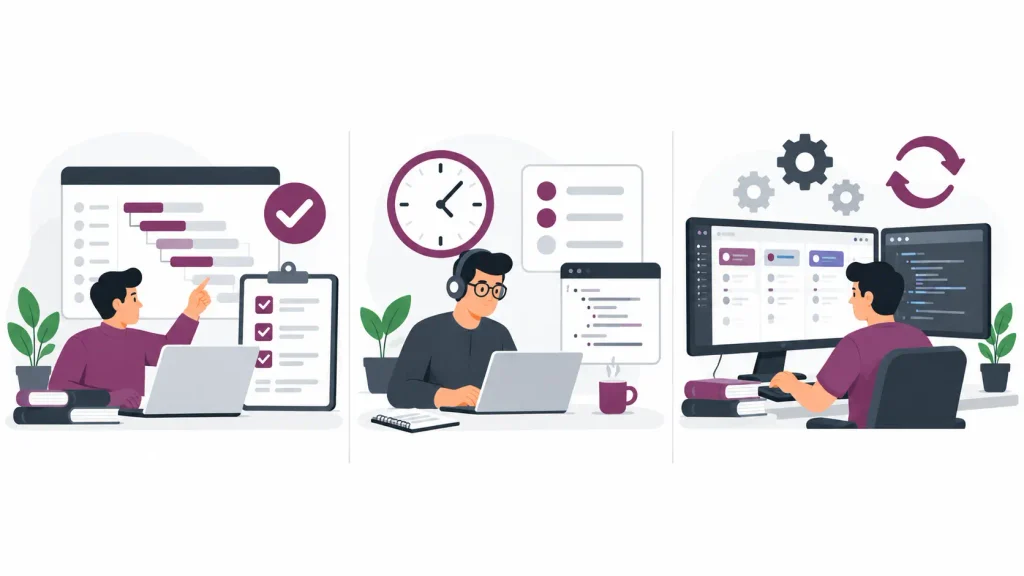
The right hiring model depends on the scope of your Odoo development work, how clearly the requirements are defined, and whether you need occasional assistance or ongoing development capacity.
Project-Based Development
Project-based engagement suits requirements with clearly defined deliverables, such as developing a custom module, implementing an integration, or modifying an existing workflow.
Before starting, agree on the scope, expected deliverables, acceptance criteria, testing responsibilities, exclusions, and process for handling changes.
Best suited for: Businesses with a defined development requirement and a clear expected outcome.
Hourly Development Support
Hourly engagement may suit troubleshooting, isolated modifications, small enhancements, or tasks that require initial investigation.
Agree on how time will be recorded, how progress will be reported, and when approval is required for additional work. For larger requirements, an initial assessment can help determine whether project-based engagement would be more appropriate.
Best suited for: Businesses that need flexible support for specific tasks or uncertain requirements.
Dedicated Odoo Developer
A dedicated developer may suit businesses with continuing requirements for customisations, integrations, bug fixes, and system improvements.
This model provides development capacity for an ongoing workload rather than treating every task as a separate project. However, the expected workload should justify the commitment.
Best suited for: Businesses with a consistent development backlog and continuing technical requirements.
How Should You Choose?
Before selecting an engagement model, consider these questions:
- Are the required deliverables clearly defined?
- Is the work a one-time project or part of an ongoing development backlog?
- Does the existing Odoo system require technical investigation?
- Will the developer need to coordinate with internal employees or other technical teams?
- How likely are requirements to change during development?
Business takeaway: Choose the engagement model that matches your workload and requirements. A project-based arrangement may suit a defined task, while hourly support or a dedicated developer may be more appropriate for other situations.
The decision should reflect the work your business needs rather than the assumption that one hiring model is always more economical.
How Can Your Business Control Odoo Development Costs?
Controlling Odoo development costs starts with defining the required outcome, avoiding unnecessary customisation, and agreeing on the work before development begins.
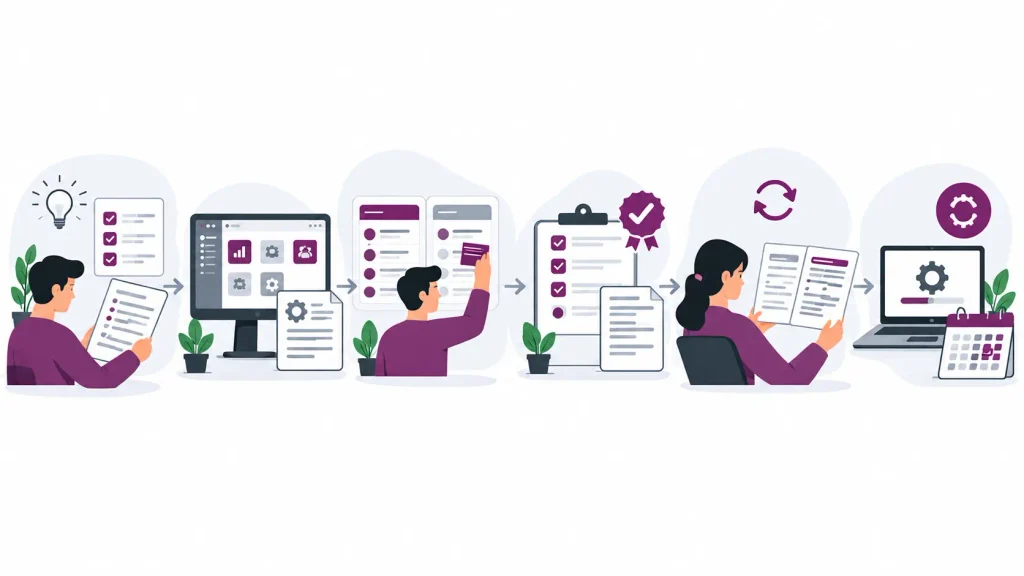
The following practices help businesses manage project scope and reduce preventable rework.
Define the Business Problem Before Requesting Development
Describe the business problem before deciding which technical solution to build.
If employees repeatedly enter the same information, for example, the requirement may be addressed through an existing workflow or targeted modification rather than a separate module.
Explain the current process, its limitations, the users affected, and the expected outcome. This gives the developer a clearer basis for recommending an appropriate solution.
Check Existing Odoo Functionality First
Before commissioning custom development, assess whether standard Odoo features, configuration, or existing modules can meet the requirement.
Custom development is appropriate when a genuine functional gap exists. However, introducing custom code without evaluating existing capabilities can create additional testing and maintenance responsibilities.
Choose the simplest solution that meets the business requirement reliably.
Separate Essential Requirements from Optional Enhancements
Identify which functions are necessary for the business process to operate correctly and which enhancements can be considered later.
This helps establish priorities and prevents optional features from expanding the initial scope before their business value is clear.
Define Acceptance Criteria Before Development
Acceptance criteria establish how the business will determine whether the completed work meets its requirements.
For a custom approval workflow, these criteria might specify who can submit a request, who can approve it, what happens when approval is rejected, and which records must be maintained.
Agreeing on these conditions before development makes testing more objective and reduces ambiguity about the expected result.
Evaluate Scope Changes Before Approving Them
New requirements may emerge during development, but each change should be assessed before it is added to the project.
Review its business value and potential effect on the scope, delivery timeline, testing, and overall estimate. Approve changes based on their necessity rather than automatically including every new request.
Plan for Future Maintenance
Custom modules and integrations may require updates when business requirements change or the Odoo environment is upgraded.
Clarify how the solution will be documented, tested, and maintained, including who will handle future changes.
Considering maintainability during development helps businesses understand the ongoing responsibilities associated with custom functionality.
The objective is to invest in the functionality your business needs while avoiding unnecessary development and preventable rework.
What Should You Prepare Before Requesting an Odoo Development Estimate?
A request such as “We need to customise Odoo” does not provide enough information to assess the required development work.
Before requesting an estimate, document the business requirement, existing Odoo environment, expected functionality, and delivery expectations. This helps the developer identify dependencies, assess feasibility, and determine what additional investigation may be necessary.
Business Requirement
- What business problem are you trying to solve?
- Which process is affected?
- What outcome should the development deliver?
Current Odoo Environment
- Which Odoo version are you using?
- Which standard and custom modules are involved?
- Is the system hosted on Odoo Online, Odoo.sh, or another environment?
- Are existing customisations or third-party applications relevant to the requirement?
Functional Expectations
- Which users or departments will use the functionality?
- What information must be entered, processed, or displayed?
- Are approval rules, access permissions, or automated actions required?
- What should happen when an operation fails?
Technical Dependencies
- Must Odoo exchange data with another application?
- Are APIs or external services involved?
- Are data migration, security, or performance requirements relevant?
- Must the solution work with existing custom modules?
Delivery Expectations
- Is there a required deadline?
- Who will test and approve the completed work?
- Is technical or user documentation required?
- Will ongoing maintenance or future enhancements be necessary?
You do not need to answer every technical question before approaching a developer. The objective is to describe the business requirement clearly and identify what still needs investigation.
The developer may need to inspect the existing system before confirming technical feasibility, defining the final scope, or providing a reliable estimate.
What Should You Check Before Comparing Odoo Development Proposals?
A lower quotation does not necessarily mean a better development decision. Proposals may differ in the functionality delivered, testing responsibilities, and support provided after deployment.
Before choosing a developer, check three things:
Scope and technical approach
Confirm that the proposal covers your required functionality, identifies important dependencies, and explains how the solution will meet your business requirements. Clarify any exclusions and how additional work will be assessed.
Testing and ongoing support
Establish who is responsible for testing, correcting issues identified before acceptance, providing documentation, and maintaining the solution after deployment.
Code ownership and access
Clarify the ownership or licensing terms for custom code, deployment responsibilities, and the access your business will retain. Ensure these arrangements are documented in the agreement.
Compare proposals based on the work included, technical suitability, responsibilities, and ongoing obligations—not just the quoted amount.
When Should You Hire an Odoo Developer?
Consider hiring an Odoo developer when your business requirements cannot be met adequately through standard Odoo functionality or configuration, or when existing custom code requires specialist attention.
Development support may be appropriate in the following situations:
- Custom module development: Your business needs functionality that existing Odoo modules cannot adequately provide.
- Application integration: Odoo must exchange data with another business application or external service.
- Workflow and report modifications: Existing processes or reports need changes to support your operational requirements.
- Complex technical issues: Problems require investigation of custom code, system behaviour, or performance.
- Odoo version migration: Existing customisations need to be assessed and adapted for a different Odoo version.
- Ongoing development and maintenance: Your business has a continuing backlog of enhancements, bug fixes, and technical improvements.
The appropriate level of support depends on the work involved. A clearly defined modification may require limited development assistance, while a complex integration or ongoing development backlog may require broader technical involvement.
Before commissioning development, confirm the business objective, evaluate existing functionality, and identify the technical work required.
If your business needs specialist support for custom modules, integrations, or changes to an existing Odoo environment, explore Odoobots’ Hire Odoo Developer service to discuss your requirements.
Conclusion
The cost of hiring an Odoo developer depends on your business requirements, existing system, technical complexity, and expected level of support.
Before committing to development, define the required outcome, assess whether existing Odoo functionality can meet your needs, and compare proposals based on their scope, deliverables, and ongoing responsibilities.
The right development decision is not simply about choosing the lowest quotation. It is about getting the functionality your business needs without introducing unnecessary complexity or avoidable maintenance work.

