How Odoo Inventory Improves Warehouse Management
How Odoo Inventory Improves Warehouse Management
Effective warehouse management requires more than maintaining stock records. Modern businesses need real-time inventory visibility, automated workflows, accurate replenishment systems, and seamless coordination between departments to support efficient operations and customer satisfaction.
The Odoo Inventory Module provides these capabilities through an integrated platform that connects inventory with purchasing, accounting, manufacturing, and sales operations. This helps organizations improve efficiency, reduce operational costs, and make better business decisions.
Companies adopting Odoo as part of a broader digital transformation strategy often work with experienced Odoo ERP implementation specialists to ensure the system aligns with their operational requirements and long-term growth objectives.
Warehouse Management Challenges Businesses Face
Warehouse teams commonly encounter several operational challenges as businesses expand:
- Inaccurate stock records caused by manual updates
- Difficulty managing inventory across multiple locations
- Delayed replenishment decisions
- Limited visibility into incoming and outgoing products
- Errors during picking, packing, and shipping
- Poor coordination between warehouse, sales, and procurement teams
When different departments use separate systems, maintaining a consistent flow of information becomes increasingly difficult. This often results in stockouts, overstocking, and slower order fulfilment.
What Is the Odoo Inventory Module?
The Odoo Inventory Module is an integrated warehouse and inventory management solution within the Odoo ERP ecosystem. It enables businesses to manage stock operations, warehouse locations, procurement activities, and logistics processes through a centralized platform. The module supports
- Real-time inventory tracking
- Multi-warehouse management
- Barcode-based operations
- Automated replenishment rules
- Batch and serial number traceability
- Inventory forecasting
- Integration with sales, purchasing, and manufacturing processes
By connecting warehouse operations with other business functions, Odoo helps organizations reduce operational silos and improve decision-making.
Real-Time Inventory Visibility Improves Decision Making
One of the biggest advantages of Odoo Inventory is real-time stock visibility. Every stock movement, including purchases, deliveries, returns, manufacturing consumption, and internal transfers, is automatically recorded within the system. This provides warehouse managers with an accurate picture of available inventory at any moment
Real-time visibility helps businesses:
- Reduce inventory discrepancies
- Prevent stock shortages
- Improve order fulfilment accuracy
- Make faster purchasing decisions
- Monitor warehouse performance more effectively
Instead of waiting for manual reports, management teams can access up-to-date inventory information whenever needed.
How Odoo Supports Inventory Traceability
Inventory traceability is essential for businesses that need to monitor product movement, maintain quality standards, and comply with industry regulations.
The Odoo Inventory Module supports batch numbers, serial numbers, and end-to-end product tracking across warehouse operations. Businesses can identify where products originate, monitor stock movements, and quickly locate affected items when returns or quality issues arise.
Key traceability capabilities include:
• Batch and lot number management
• Serial number tracking
• Product movement history
• Expiry date management
• Faster recall processes
• Improved regulatory compliance
These features help businesses improve inventory accuracy while maintaining greater control over their supply chain operations.
Barcode Scanning Reduces Manual Errors
Manual inventory updates increase the risk of mistakes during receiving, picking, packing, and stock counting processes.
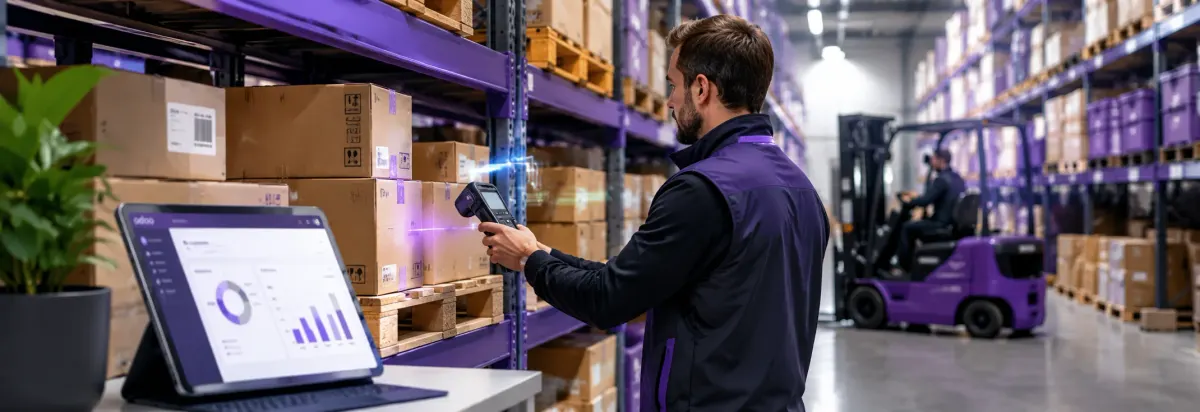
Odoo supports barcode scanning capabilities that enable warehouse staff to perform inventory operations more accurately and efficiently. Barcode-based workflows help eliminate repetitive manual entries while improving stock traceability.
Benefits include:
- Faster receiving processes
- Accurate stock counting
- Reduced picking errors
- Better product traceability
- Improved warehouse productivity
This automation allows warehouse teams to focus on operational activities rather than administrative tasks.
Automated Replenishment Helps Prevent Stockouts
Maintaining optimal inventory levels is essential for both customer satisfaction and working capital management.
Odoo provides automated replenishment rules that trigger purchase orders or manufacturing activities when stock falls below predefined thresholds. These rules help businesses maintain adequate inventory levels without constant manual intervention.
Automated replenishment supports:
- Lower inventory carrying costs
- Reduced stock shortages
- Improved procurement planning
- More consistent product availability
Businesses can therefore respond more effectively to changing customer demand.
Integration with Sales, Purchasing, and Accounting
Traditional warehouse systems often operate independently from other departments, leading to information gaps and duplicated work.
Odoo addresses this challenge by integrating inventory management with:
Sales
Sales orders automatically create delivery operations, helping warehouse teams process customer shipments efficiently.
Purchasing
Procurement activities are directly connected to inventory requirements, enabling automated purchasing decisions based on stock levels.
Accounting
Inventory valuation and financial reporting can be synchronized with accounting processes, providing greater transparency into business performance.
This integrated approach reduces manual work and improves overall business coordination.
Benefits of Odoo Inventory for Growing Businesses
Implementing the Odoo Inventory Module provides several operational advantages:
Improved Inventory Accuracy
Real-time stock updates reduce discrepancies and improve confidence in inventory data.
Faster Order Fulfillment
Integrated warehouse processes help businesses deliver products more quickly and efficiently.
Better Warehouse Utilization
Multi-location management enables optimized use of available storage space.
Reduced Operational Costs
Automation minimizes manual activities and helps prevent unnecessary inventory expenses.
Enhanced Business Visibility
Management teams gain access to accurate reports and real-time operational insights.
These benefits support sustainable business growth and improved customer experiences.
Why Warehouse Management Works Better Within an Integrated ERP System
Warehouse management becomes significantly more effective when inventory processes are integrated with broader business operations.
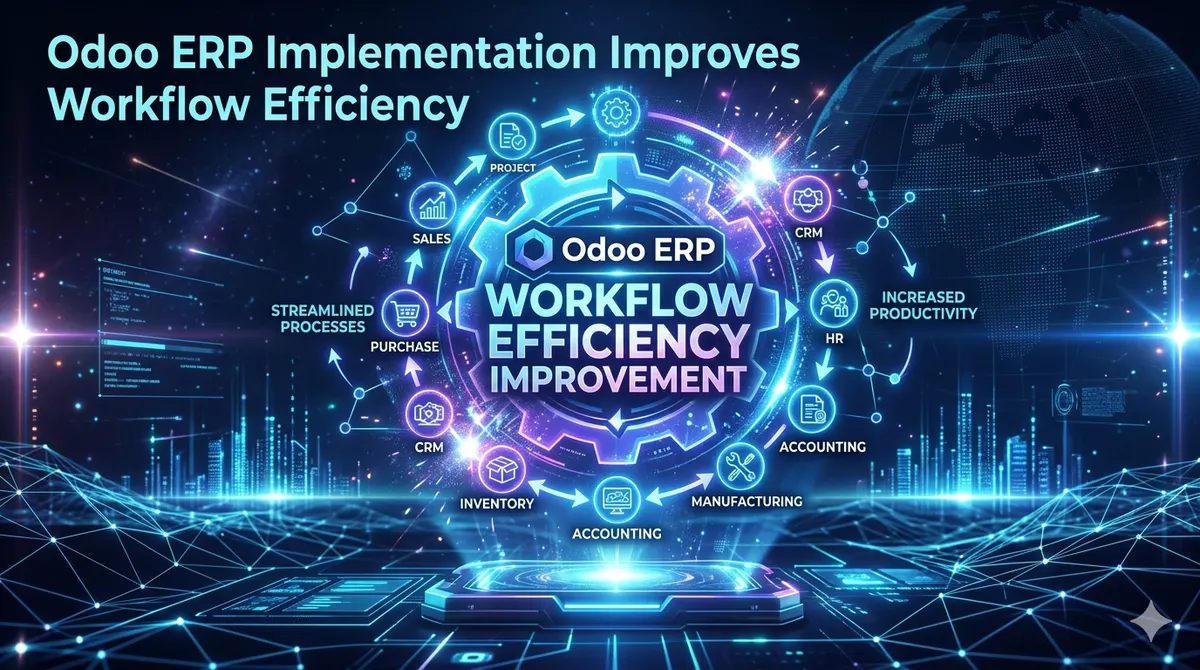
The Odoo Inventory Module works alongside accounting, CRM, manufacturing, procurement, and sales applications to create a unified ERP environment. This eliminates disconnected systems and enables organizations to manage their operations through a single platform.
Businesses planning to connect inventory, accounting, sales, CRM, and manufacturing processes often benefit from professional Odoo ERP implementation services. A unified ERP environment helps organizations eliminate data silos, improve operational visibility, and support long-term business growth.
Conclusion
Modern warehouse operations require more than simple stock tracking tools. Businesses need real-time visibility, automated workflows, accurate inventory records, and seamless integration with other business functions.
The Odoo Inventory Module provides these capabilities through an integrated ERP platform that supports multi-warehouse operations, barcode automation, replenishment rules, and connected business processes.
Organizations looking to implement inventory management as part of a broader ERP strategy can benefit from working with an experienced Odoo ERP implementation company to align technology with operational requirements and long-term business goals.
Frequently Asked Questions
The Odoo Inventory Module is a warehouse and stock management solution that helps businesses track inventory, automate replenishment, manage multiple warehouses, and integrate logistics operations with other ERP functions.
Yes. Odoo allows businesses to create, monitor, and manage multiple warehouses through a centralized system with configurable routes and inter-warehouse transfers.
Yes. Odoo includes barcode functionality that supports receiving, picking, packing, inventory adjustments, and stock counting processes.
The platform provides automated replenishment rules that generate procurement activities when inventory levels reach predefined thresholds.
Integrated ERP systems provide better visibility, reduce manual work, improve collaboration between departments, and support faster business decision-making.
Yes. The Odoo Inventory Module integrates with accounting, purchasing, manufacturing, sales, and CRM applications. This enables businesses to manage inventory processes within a unified ERP environment and improve collaboration between departments.