How Odoo Hosting Supports Multi-Location Business Operations

Opening a second business location is a sign of growth. Expanding to multiple warehouses, regional offices, retail outlets, or manufacturing units introduces a different set of operational challenges.
Teams need access to the same information, inventory must remain synchronized, and management requires real-time visibility into business performance across every location. These requirements depend not only on ERP software but also on the hosting provider that powers it.
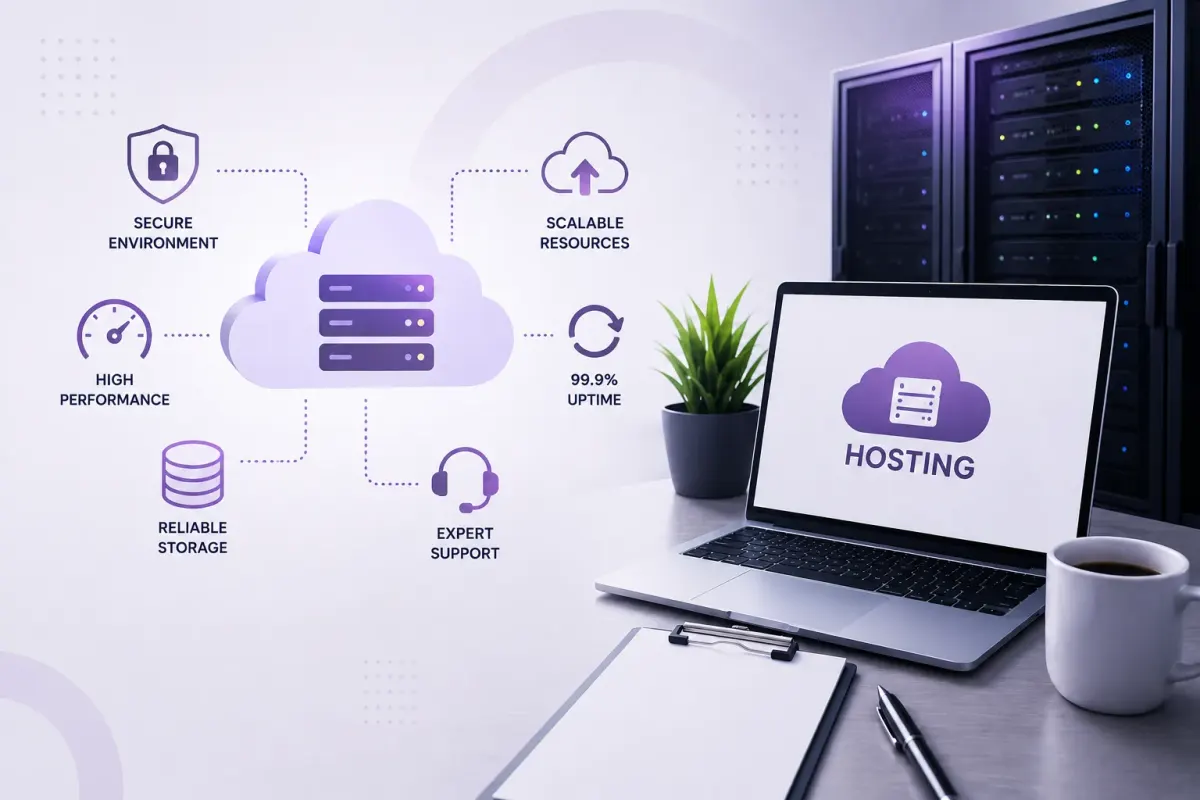
Odoo hosting supports multi-location business operations by providing centralized infrastructure, reliable access, consistent performance, and the flexibility needed to connect distributed teams through a single business platform.
When One Business Location Becomes Several
Managing a single office or warehouse is relatively straightforward. Multi-location operations demand consistent processes, shared data access, and reliable infrastructure to maintain day-to-day efficiency.
Businesses often need to coordinate:
- Multiple warehouses
- Regional sales offices
- Retail branches
- Manufacturing facilities
- Remote teams
- Shared customer databases
Without a centralized system, each location may develop separate processes and maintain its own information, leading to reporting inconsistencies and operational inefficiencies.
Odoo addresses these challenges by bringing business activities into one connected environment, while reliable hosting ensures that every location can access the system without interruptions.
Why Centralized Odoo Hosting Matters
Some organizations still rely on local servers or isolated infrastructure for business applications. While this approach may work for smaller operations, growing businesses often require a more centralized model.
| Traditional Local Infrastructure | Centralized Odoo Hosting |
| Separate data sources | Unified business database |
| Manual system maintenance | Centralized updates and management |
| Limited remote accessibility | Secure access from multiple locations |
| Higher IT overhead | Simplified infrastructure management |
| Delayed reporting | Real-time operational visibility |
Centralized hosting helps maintain a single source of truth across departments and business units, allowing decision-makers to work with accurate information.
Real-Time Inventory Visibility Across Warehouses
Inventory management becomes increasingly important when businesses operate from multiple locations. A distribution company may store products across several warehouses, while a retail chain might manage inventory across numerous stores. In both cases, delayed information can affect customer satisfaction and operational efficiency.
Odoo enables businesses to manage:
- Multi-warehouse operations
- Stock transfers between locations
- Centralized procurement activities
- Product traceability
- Real-time inventory updates
The hosting environment plays an important role in maintaining database performance and ensuring that inventory movements are reflected across all locations without unnecessary delays.
This level of visibility supports better planning and reduces the risk of stock shortages or overstock situations.
Supporting Remote Teams Through Cloud Accessibility
Modern organizations increasingly rely on distributed workforces.
Sales teams, managers, and operational staff may work from different offices or travel regularly while still requiring access to business systems.
Cloud-based Odoo hosting allows authorized users to connect securely from various locations while maintaining consistent application performance.
This approach supports:
- Remote workforce management
- Cross-location collaboration
- Real-time reporting
- Mobile accessibility
- Centralized customer information
Employees can continue working within the same environment regardless of where they are located, helping businesses maintain productivity as operations expand.
A Retail Expansion Scenario
Consider a retail business that initially operates two stores in one city.
As demand increases, the company opens additional branches in other regions. Each store requires access to:
- Inventory information
- Sales reports
- Customer records
- Promotional campaigns
- Financial data
Without centralized infrastructure, managers may depend on separate reports and manual communication between locations.
With properly managed Odoo hosting, every branch works within the same ERP system. Inventory movements, customer transactions, and operational updates remain synchronized, allowing management teams to monitor performance across the entire organization.
Working within a unified ERP environment allows businesses to maintain consistency across locations while adapting to changing operational demands.
Maintaining Performance as User Numbers Increase
Adding new branches and operational teams naturally increases the number of users working within the same Odoo environment.
Additional users create greater demands on:
- Server resources
- Database performance
- Background processes
- System responsiveness
- Integration workloads
Infrastructure that performs well for a small organization may struggle as new locations and teams are added.
Managed Odoo hosting environments typically include resource monitoring and performance optimization to help businesses maintain a consistent user experience as operational requirements evolve.
Allocating resources based on projected growth helps maintain consistent application performance as transaction volumes and user activity increase.
Strengthening Security Across Multiple Locations
Distributed operations introduce additional security considerations.
Businesses must provide access to employees across different locations while protecting sensitive information and maintaining operational controls.
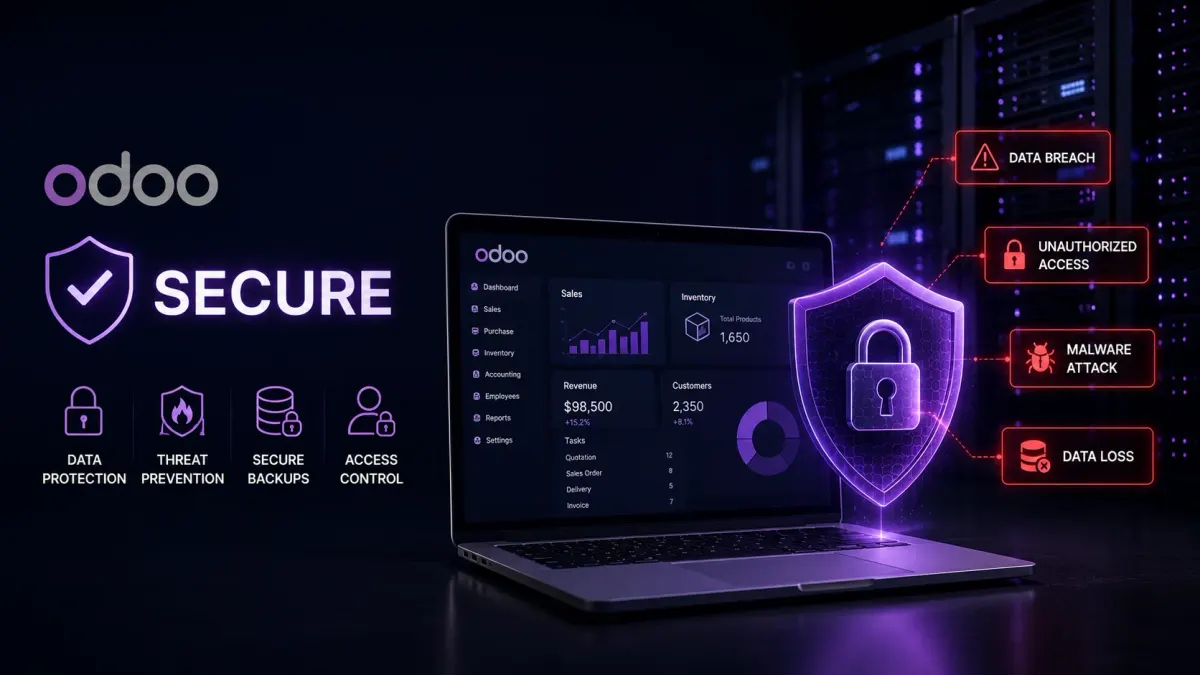
A secure hosting environment commonly supports:
- Role-based user permissions
- Encrypted connections
- Automated security updates
- User activity monitoring
- Backup management
- Infrastructure maintenance
These measures help organizations balance accessibility with business security requirements.
As more locations are added, centralized security management becomes increasingly valuable for maintaining consistent standards across the organization.
Business Continuity Depends on Reliable Infrastructure
Unexpected outages or data loss can affect multiple branches simultaneously.
For organizations operating across several locations, reliable backups and recovery procedures are essential components of business continuity planning.
Professional Odoo hosting environments typically include:
- Automated backups
- Recovery testing
- Infrastructure monitoring
- Redundant storage strategies
- Proactive maintenance
These capabilities help businesses protect critical information while reducing operational risks.
When every location depends on a single ERP platform, reliability becomes a fundamental business requirement rather than a purely technical consideration.
Questions Businesses Should Ask Before Expanding Operations
Organizations planning to add new locations should evaluate their ERP infrastructure carefully.
Important questions include:
- How many users will access Odoo at the same time?
- Will additional warehouses require new workflows?
- Can the existing infrastructure support future growth?
- Are backup and recovery procedures sufficient for multiple locations?
- How will remote employees access the system securely?
Addressing these questions early helps businesses create a technology foundation that supports long-term expansion.
How Managed Odoo Hosting Simplifies Growth
Managing infrastructure internally can become increasingly complex as organizations expand.
Many businesses prefer managed hosting environments that provide support for:
- Server maintenance
- Performance optimization
- Infrastructure monitoring
- Security management
- Automated backups
- Technical assistance
This allows internal teams to focus on customers, operations, and strategic initiatives rather than day-to-day infrastructure administration.
Businesses operating across multiple locations often benefit from hosting solutions designed to accommodate changing operational requirements and future growth plans.
Conclusion
Multi-location businesses depend on connected systems that provide visibility, consistency, and operational control across every branch.
Odoo brings business processes together within a single ERP environment, while reliable hosting infrastructure ensures that employees, warehouses, and offices remain connected as organizations grow.
For companies expanding into new regions or managing distributed teams, a well-planned Odoo hosting provider supports collaboration, improves accessibility, and creates a strong foundation for long-term business operations.
Frequently Asked Questions
Yes. Odoo provides features for managing multiple companies, warehouses, branches, and departments within a single ERP environment.
Hosting affects system accessibility, performance, security, and reliability. A well-managed hosting environment helps distributed teams work efficiently from different locations.
Yes. Cloud-based hosting environments allow authorized users to access Odoo securely through encrypted connections and role-based permissions.
As user numbers, data volumes, and operational complexity increase, businesses may need scalable infrastructure to maintain consistent ERP performance.
Businesses should evaluate performance management, backup procedures, security practices, scalability options, and experience supporting multi-location operations.