
Complex product structures
Extend BoM logic for product variants, multi-level assemblies, and business-specific component requirements.
VariantsMulti-level
Production orders not matching shop-floor operations? Struggling with work-order scheduling, material consumption, or manufacturing cost accuracy?
Bills of Materials, production routing, work orders, capacity planning and manufacturing workflows — customised against your existing Odoo setup, with the link between components, quantities and finished goods kept intact.
Manufacturers running on Odoo







An Odoo manufacturing developer customizes BoMs, production routing, work orders, scheduling, material consumption, costing and manufacturing integrations. Standard Odoo Manufacturing already supports production planning, work orders, work centres and material tracking — so the first step is identifying whether the limitation comes from BoM configuration, manufacturing settings, or custom development.
If standard BoMs, routings, work centres and manufacturing settings can handle your requirements, configuration may be sufficient. See Odoo Manufacturing for what that covers, and manufacturing costing problems if the issue is the numbers rather than the process.
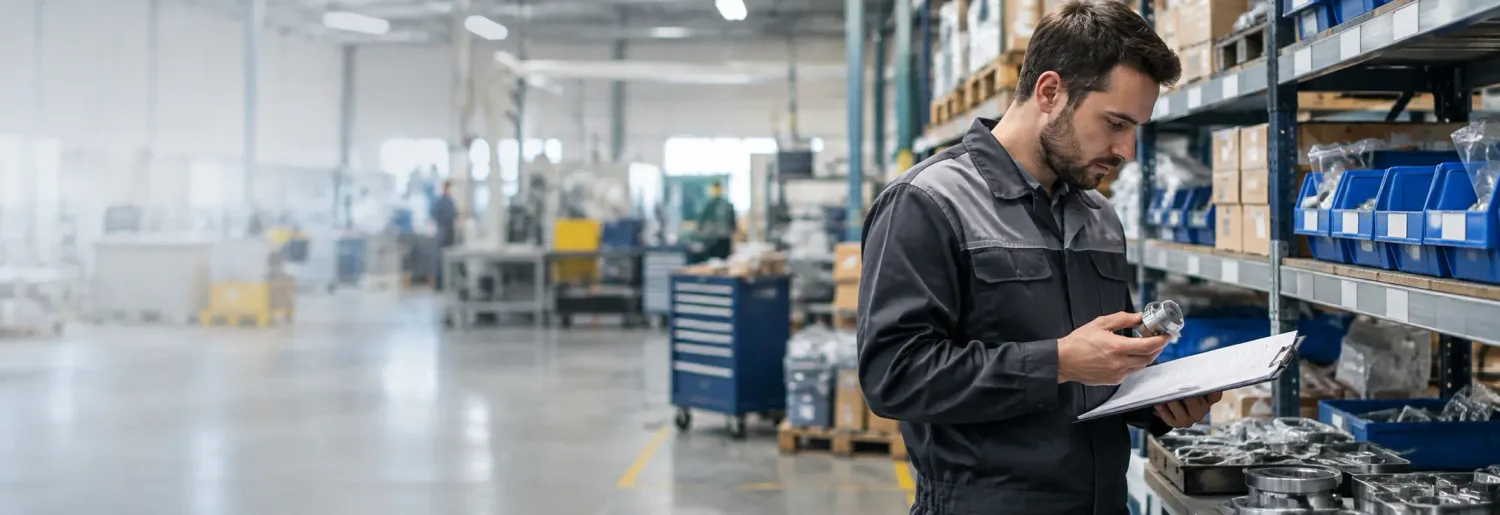
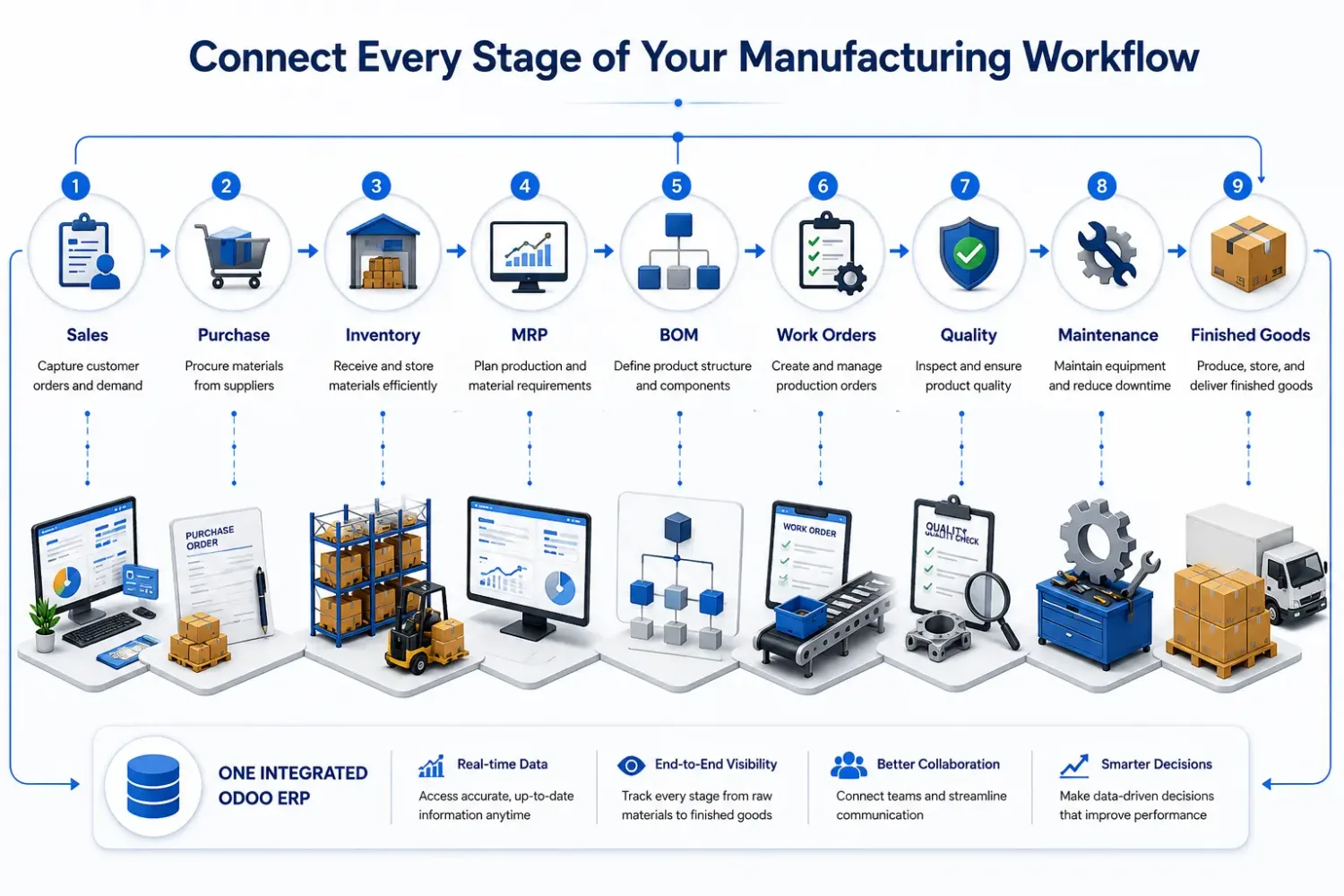
Standard Odoo Manufacturing supports production planning, work orders, work centres and material tracking. Additional development may be required when production rules exceed the available configuration options.
Extend BoM logic for product variants, multi-level assemblies, and business-specific component requirements.
Customize operation dependencies and work-order validation when manufacturing steps must follow specific conditions.
Extend scheduling rules when production priorities, machine availability, or alternative work-centre conditions require additional logic.
Investigate component consumption, backorders, scrap, and custom stock movements affecting manufacturing records.
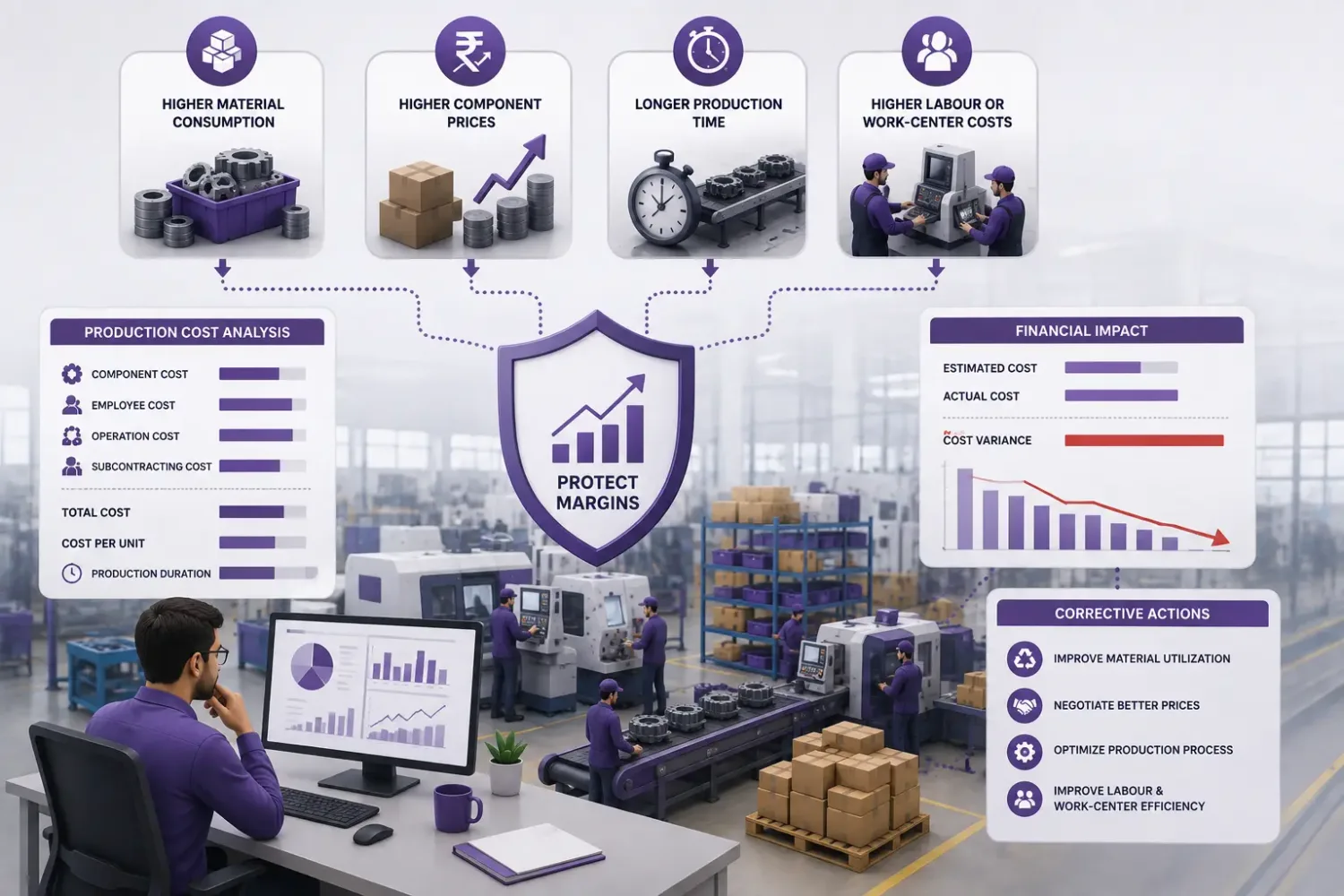
Customize cost calculations and reporting when standard manufacturing cost information does not provide the required breakdown. See why actual costs run higher than estimated.
Extend subcontracting workflows when material tracking, production status, or quality validation requires additional controls.
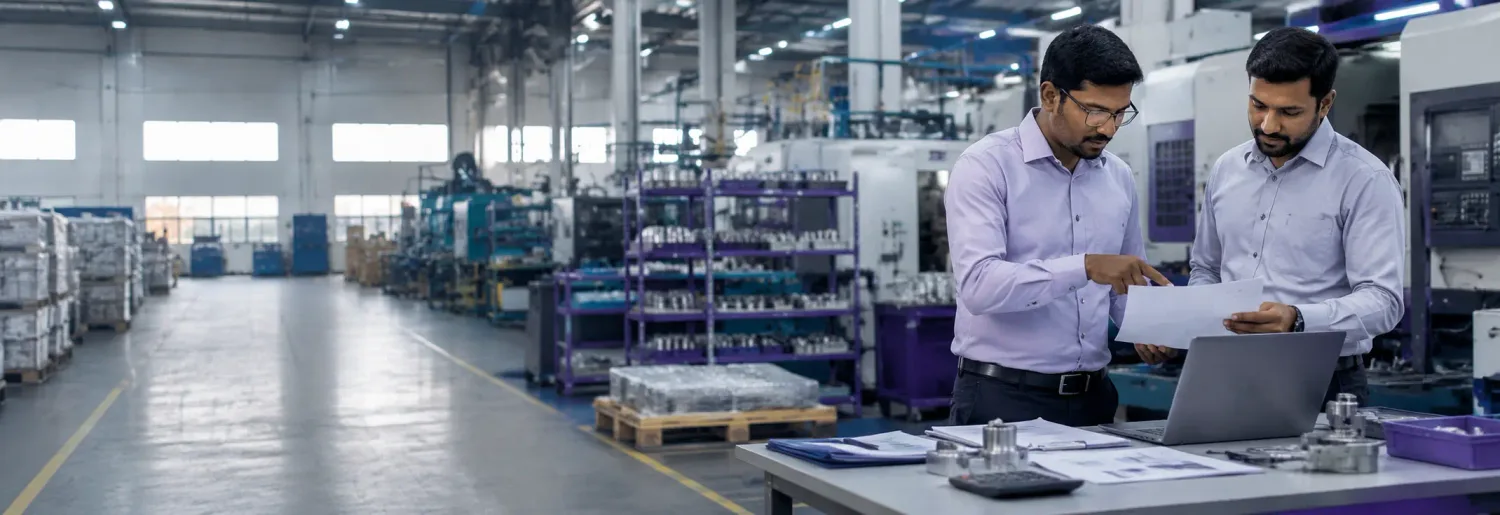
Customize product structures when standard BoM configuration cannot represent your manufacturing requirements: multi-level BoM customization, product variant-specific component rules, conditional component selection, alternative component handling, and custom BoM validation and revision logic.
These customizations should maintain consistency between product configurations, component requirements and manufacturing orders. A BoM rule that is right in theory and wrong against an open manufacturing order is not finished.
Extend manufacturing operations when production sequences require additional conditions or validation: custom routing and operation sequences, work-order dependency rules, operation-specific validation, work-centre assignment conditions, and production completion restrictions.
Custom logic can help enforce the required production sequence without disrupting existing work-order processing. Orders already in progress when the rule ships are the case to test first.
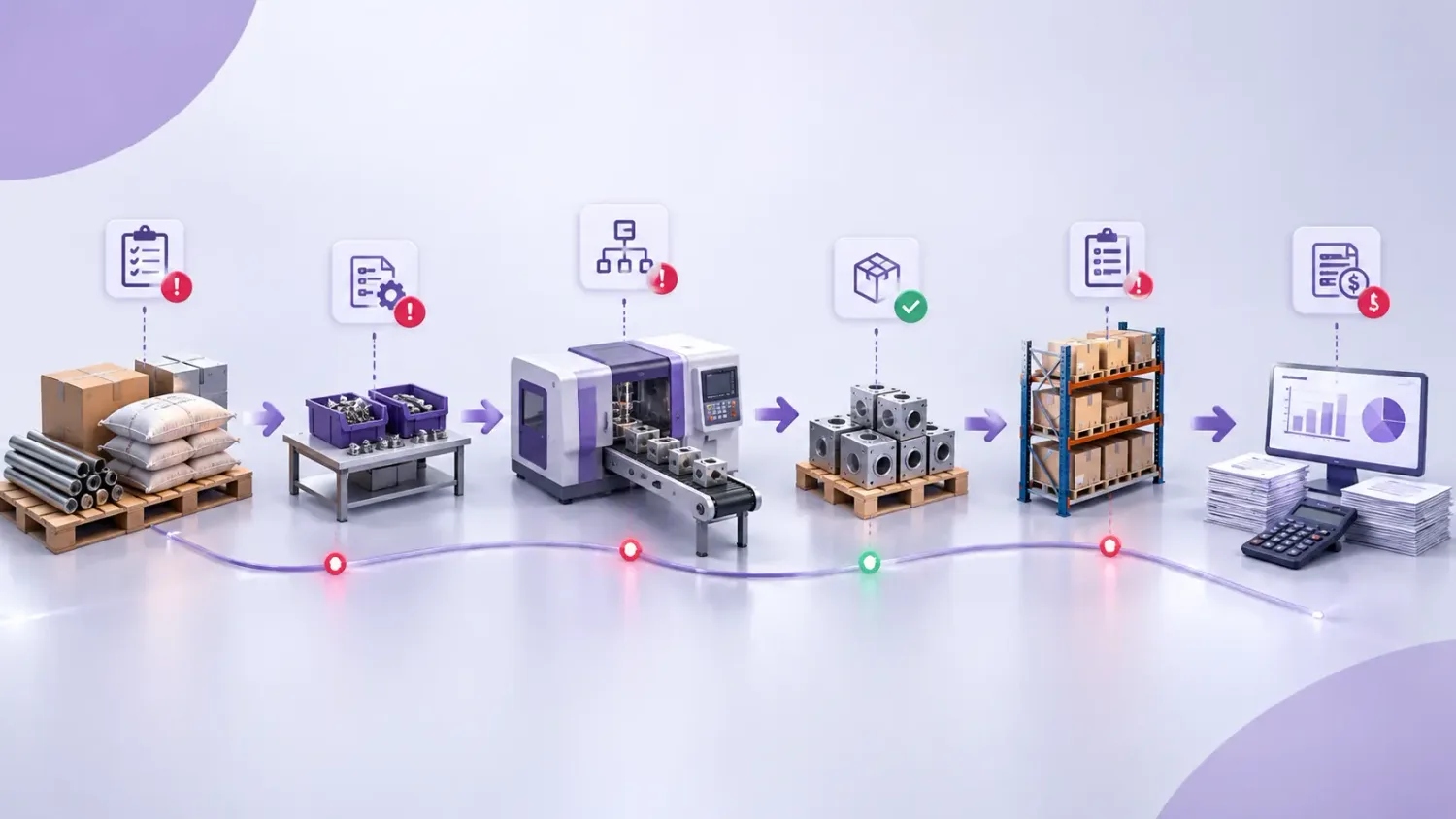
Customize production scheduling when standard planning does not accommodate your operational constraints: production priority rules, work-centre capacity validation, alternative work-centre assignment, shift-based scheduling conditions, and custom production planning calculations.
Scheduling logic should account for work-centre availability, operation duration, capacity and production priorities. If those four are not agreed as numbers first, the schedule cannot be right.
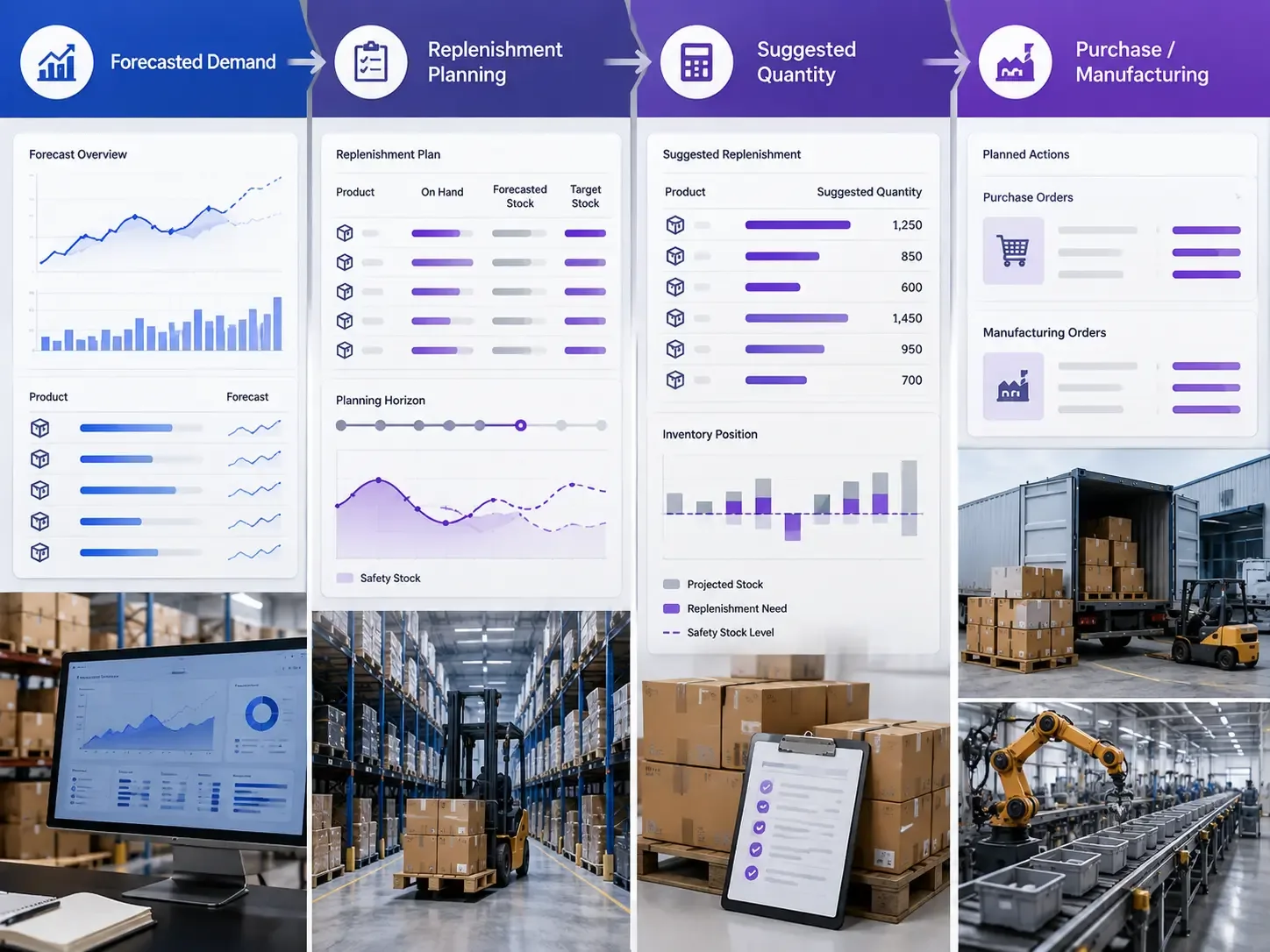
Extend material tracking to reflect actual shop-floor consumption and production output: custom component consumption rules, material substitution conditions, scrap recording and validation, by-product quantity calculations, manufacturing backorder handling, and production-related stock movement customization.
These developments should preserve the relationship between consumed components, finished products and manufacturing order records. Break that link and the stock is wrong before the accounting is.

Customize production controls when quality requirements or outsourced manufacturing processes need additional validation: operation-specific quality checks, custom inspection criteria, production rejection and rework workflows, subcontractor material tracking, subcontracting validation rules, and quality-related production notifications.
The customization should maintain traceability between manufacturing orders, components, quality results and finished products — which is the whole reason a quality record is worth keeping.
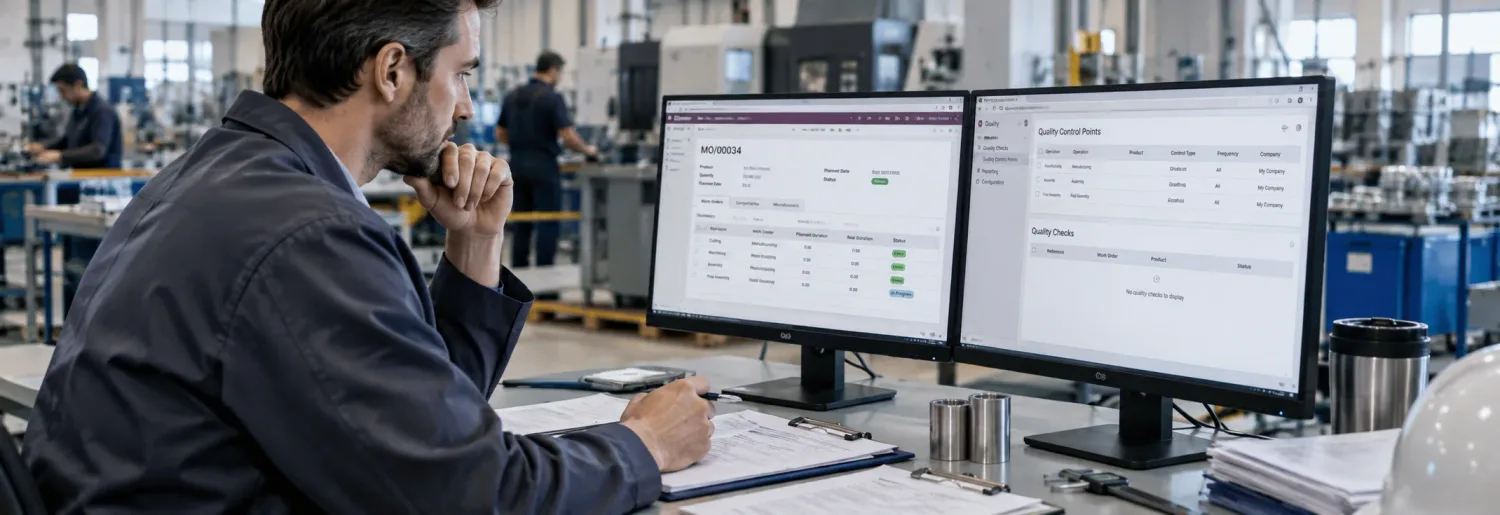
Extend manufacturing data and reporting to support specific operational and financial requirements: custom manufacturing cost calculations, work-centre cost reporting, production efficiency reports, machine and shop-floor system integrations, external production data synchronization, and API-based manufacturing integrations.
Integration logic should include data validation, error handling and synchronization controls to prevent inconsistent production records. See hire an Odoo API developer for how machine and external-system connections are built.
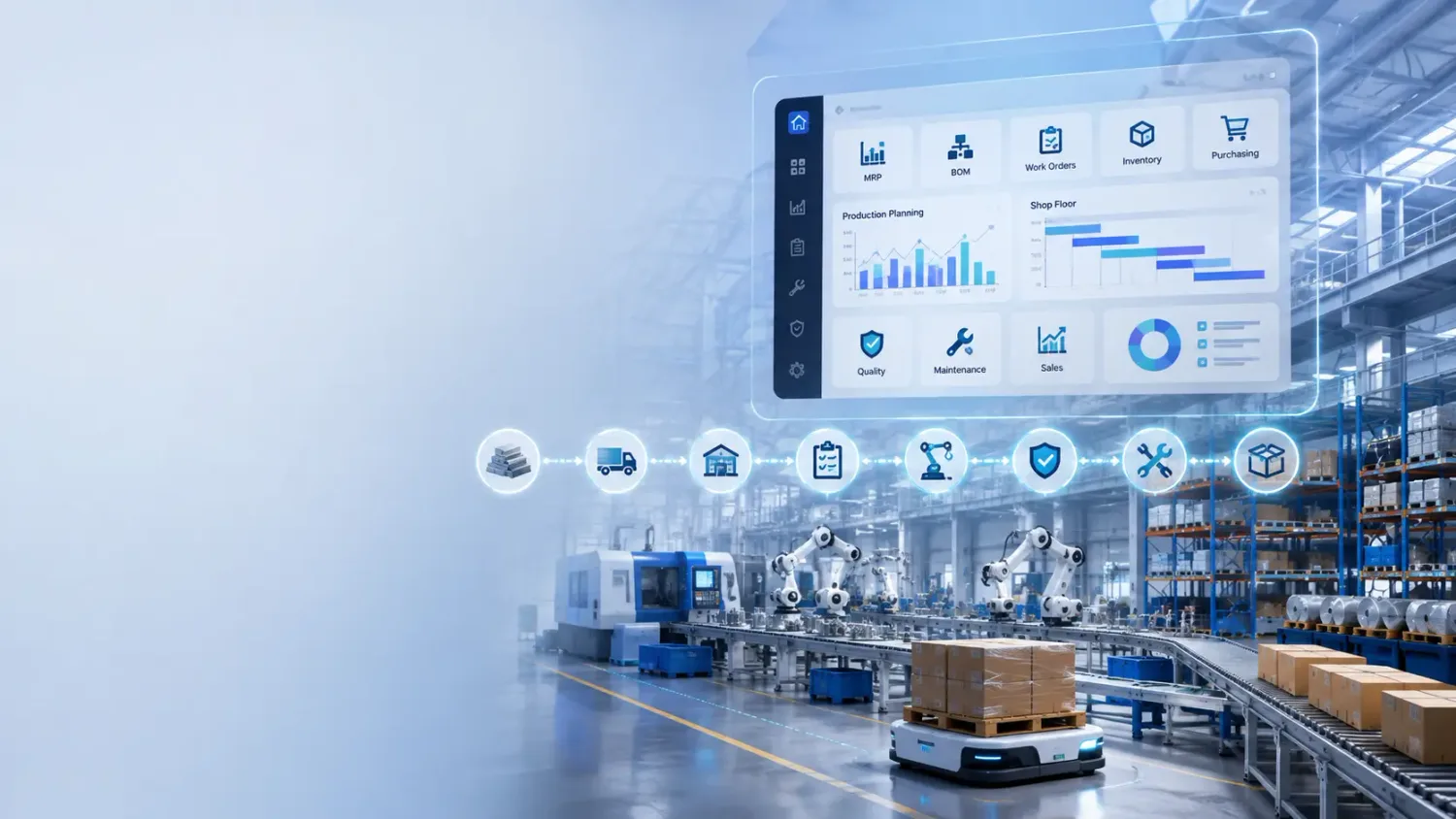
Manufacturing customization requires an understanding of both Odoo’s technical architecture and production execution.
Model inheritance, recordsets, computed fields, constraints and manufacturing business methods.
Practical knowledge of manufacturing orders, BoMs, work orders, work centres and component stock movements.
Operation sequences, material consumption, work-order dependencies, production completion and backorders.
Module structure, dependencies, model extensions, views, access rights and maintainable code. See Odoo customization.
Production data exchange, external machine connectivity, authentication, data mapping and error handling.
BoM validation, production order testing, component consumption checks, work-order execution and regression testing.
Custom development is appropriate when the required production logic goes beyond what BoMs, routings, work centres and manufacturing settings can express. Consider hiring a developer when:
Your BoM requires conditional component selection or product-specific manufacturing rules.
Production operations need custom sequencing, dependencies or validation.
Work-centre scheduling requires additional capacity or priority logic.
Component consumption and finished quantities do not follow your actual production process.
Manufacturing costing requires calculations beyond standard reporting.
Shop-floor equipment or external production systems need integration with Odoo.
Earlier manufacturing customizations cause failed work orders, incorrect consumption or upgrade compatibility issues.
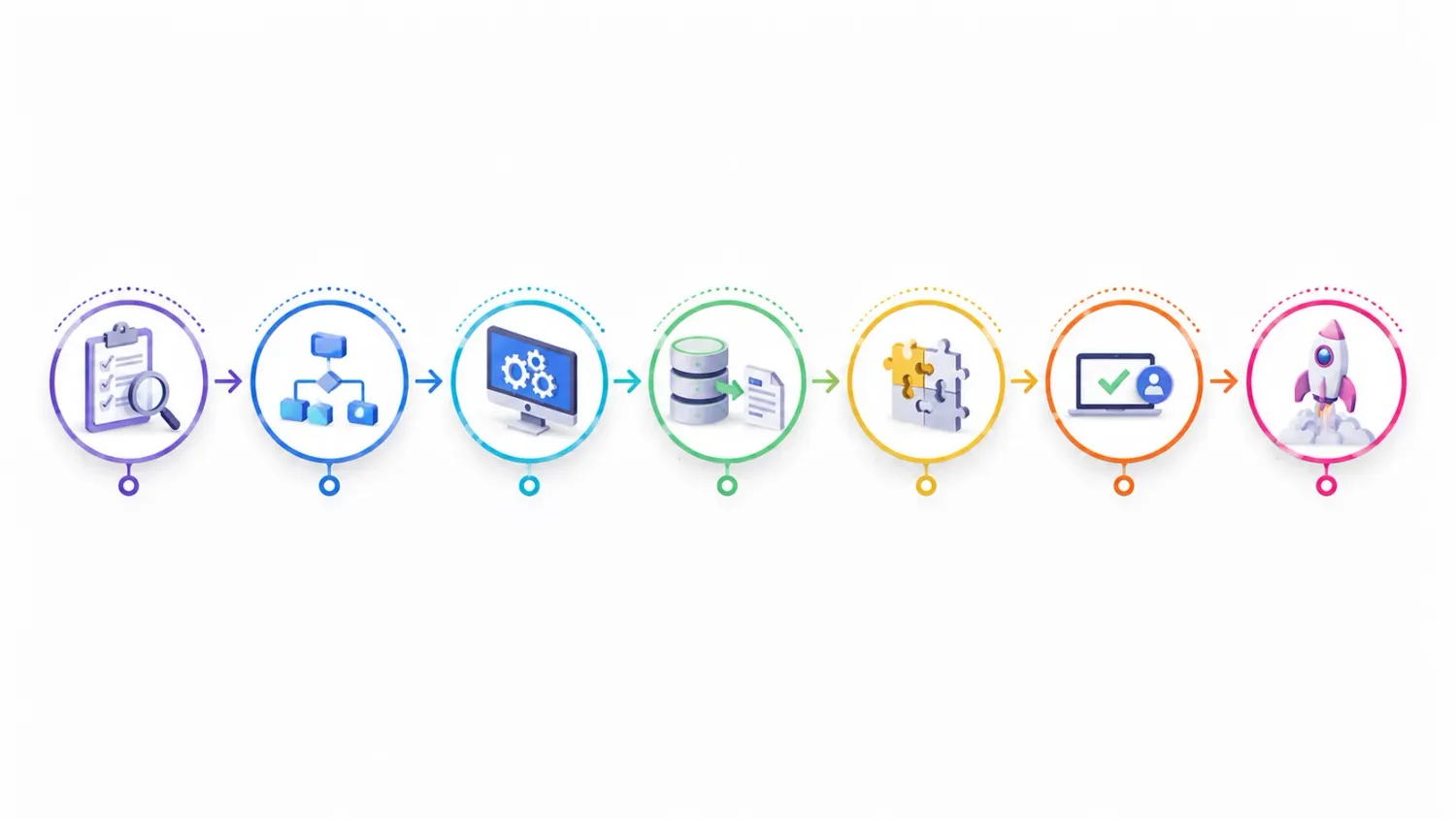
These details help establish whether your project needs configuration changes, custom module development, or external system integration.
Version, Community or Enterprise edition, hosting arrangement and installed manufacturing applications.
Existing BoMs, product variants, component relationships and manufacturing revisions.
Operation sequences, work centres, work-order dependencies and completion rules.
Component consumption, substitutions, scrap, by-products and production quantities.
Custom manufacturing modules, integrations and connected shop-floor systems.
The required production logic, and how you will verify manufacturing quantities, scheduling and cost calculations.
For requirements beyond manufacturing code, and the pages this one depends on.
Hiring models, what code ownership means, and how to judge an Odoo developer.
What configuration alone covers: BoMs, work orders, work centres and MRP.
The industry view: how a manufacturer runs end to end on Odoo.
When the process is fine and the cost numbers are not.
Machine data, shop-floor systems and the endpoints behind them.
The named people who would do the work, with the Odoo areas each one covers.
The Odoo behaviour this page describes, in Odoo’s own documentation.
Need custom production routing, complex BoM logic, work-centre scheduling or manufacturing system integrations? Share your Odoo version, production process and current challenges so we can tell you whether this is configuration or code — and the diagnosis call is free.