

Dhanalakshmi Industries
Manufacturing · IndiaTask
End-to-end ERP for sales, manufacturing, dispatch, invoicing and GST compliance.
Solution provided
Customised Odoo ERP solution
Location
India
Dhanalakshmi Industries manufactures, dispatches and invoices — and, like every Indian manufacturer, has to produce an E-Way Bill before the vehicle leaves. Before this project, each of those steps lived in its own process.
The work was to make them one chain: a quotation becomes an order, the order drives manufacturing and dispatch, and invoicing and the E-Way Bill come from what actually shipped.
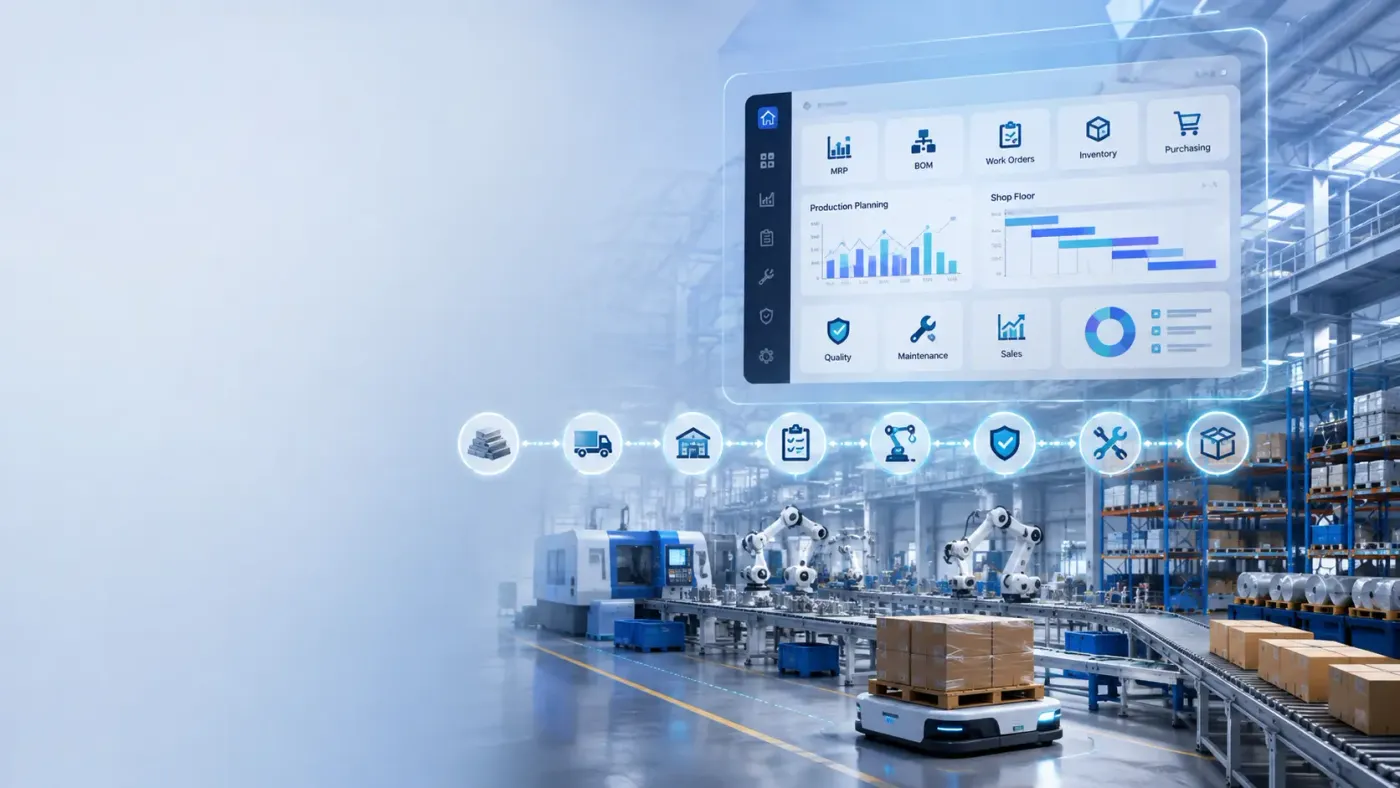
Businesses running Odoo with OdooBots






Dhanalakshmi Industries runs quotation, manufacturing, dispatch, invoicing and GST compliance as one connected process on a customised Odoo ERP. E-Way Bill generation is automated against the GST integration; quotations, proforma invoices, tax invoices and delivery documents are produced in the company’s own format; quotation revisions are version-tracked; invoicing is delivery-based with consolidated billing; and manufacturing shortages and bills of materials are managed against real stock.
Automating the E-Way Bill is the step manufacturers feel immediately, because it sits between the goods being ready and the vehicle leaving. Everything else on this project made that step possible by ensuring the dispatch record was already correct.
Taken from the project itself rather than from a capability list.
End-to-end ERP for sales, manufacturing, dispatch, invoicing and GST compliance.
Customised Odoo ERP solution
India
See every Odoo implementation case study, or the full Odoo ERP implementation service.
Quotations, manufacturing, dispatch, invoicing, E-Way Bill generation and inventory were handled through separate processes. That produced delays, duplicate work and limited operational visibility, and the business needed one platform connecting sales, manufacturing, logistics, finance and compliance.
Quotation, proforma, tax invoice and delivery documents were each prepared on their own, which is duplicate work and a source of inconsistency between them.
Generating the statutory document by hand at dispatch is slow at exactly the moment a vehicle is waiting.
Without version tracking, which price was agreed and when becomes a matter of recollection.
When billing is not driven by what actually shipped, part dispatches and consolidated billing both become manual exercises.
Manufacturing shortages and BOM gaps were found during production rather than before the order was released.
The implementation joined those processes rather than improving each one separately.
Automated E-Way Bill generation with GST integration, produced from the dispatch record rather than re-entered into a portal while a vehicle waits.
Custom quotation, proforma, tax invoice and delivery documents in the company’s own format, generated from the same data rather than prepared separately.
Revision management with version tracking, so what was quoted, when, and at what price is a record rather than a recollection.
Invoicing driven by what was actually delivered, with consolidated billing where several dispatches belong on one invoice.
Supply status and delivery readiness monitoring, so the question of whether an order can ship is answered from the system.
Manufacturing shortage and bill of materials management, so component gaps appear before the order is released rather than at the machine.
Sales, manufacturing, dispatch, invoicing and compliance now run as one chain, with the statutory document produced from the dispatch rather than alongside it.
the statutory document comes from the dispatch record, so the vehicle is not waiting on data entry.
quotation, proforma, tax invoice and delivery note are generated from the same data in the company’s own format.
every version is tracked, so an agreed price is a record rather than a memory.
part dispatches bill correctly, and several dispatches can be consolidated onto one invoice.
BOM requirements are checked against real stock rather than discovered in production.
What the client reports back, in their terms. We publish no percentages here because the project did not measure any, and a number we cannot stand behind is worth less than one we can.
Automated E-Way Bill generation removed a manual step from the point where it cost the most time.
Quotation through to delivery note now comes from one set of data in one format, so the documents agree with each other.
Quotation revision tracking means the agreed price and its history are available rather than argued about.
Delivery-based invoicing and consolidated billing reduced the manual work at month end and the disputes that follow a wrong invoice.
Shortage and BOM management surfaced component gaps earlier, which is where they are cheap to solve.
Sales, manufacturing, logistics, finance and compliance work from one platform rather than meeting at the end of the month.
What this implementation used, written up properly.
Tell us whether your E-Way Bills are generated or typed today, and how often a quotation gets revised. Those two answers shape the project, and the diagnosis call is free.